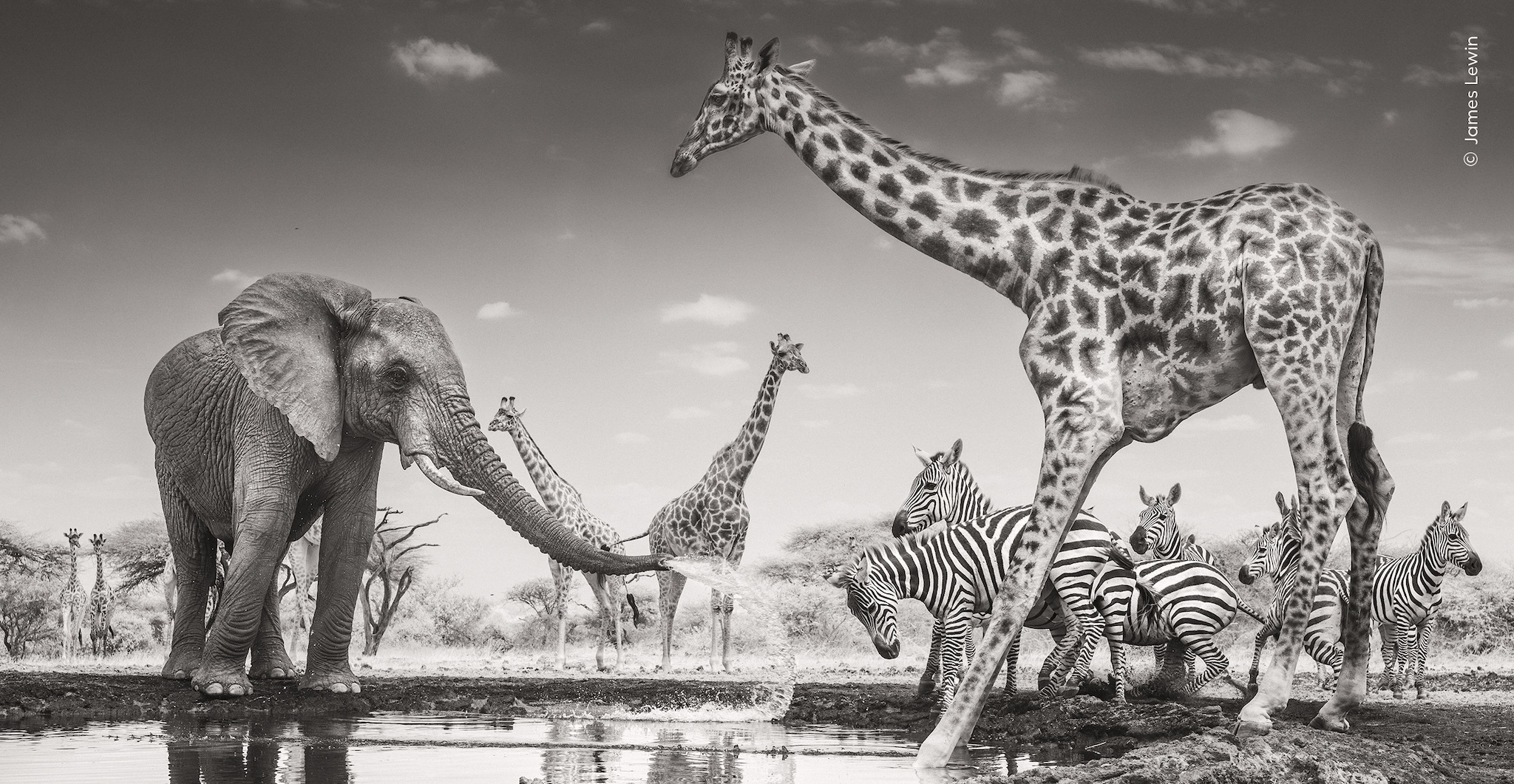
Why Wildlife Photography Still Grips Our Hyper-Digital World
There is something almost defiant about the enduring obsession with the Wildlife Photographer of the Year competition. In an era where hyper-realistic AI generators can conjure a photorealistic Bengal tiger lounging in a neon-lit cyberpunk alleyway in seconds, millions of us still pause to look at a genuine, hard-won frame of a dozing lion or a clumsy elephant calf. Personally, I think this collective fascination goes way deeper than a simple appreciation for nature. In my opinion, we are starving for proof that reality still exists outside our screens, and these images serve as an unfiltered anchor to a planet that is slowly slipping away from us.
The Art of Waiting: Why Realness Matters More Than Ever
When the winners of the sixty-second Wildlife Photographer of the Year competition drop, we get the usual parade of jaw-dropping spectacles: lurking sharks, acrobatic frogs, and raw animal emotion frozen in time. What many people don't realize is that these frames represent hundreds of hours of absolute nothingness—freezing blinds, mosquito bites, and agonizing patience that algorithms will never understand. A detail that I find especially interesting is how these photos force us to reckon with time itself. If you take a step back and think about it, a synthetic image takes a prompt, whereas a wildlife photograph takes a life lived behind a lens, waiting for a single, unrepeatable fraction of a second. What this really suggests is that our hunger for authenticity has become our defining cultural trait.
Beyond Cute Creatures: The Psychological Mirror
Of course, it is easy to look at a lineup featuring over-excited elephant calves or lazy apex predators and write them off as wholesome internet fodder. But from my perspective, our relentless obsession with these animal portraits tells a much more revealing story about human psychology. We project our own exhaustion, our desire for play, and our complex grief for the environment onto these creatures. What makes this particularly fascinating is how an image of a simple animal behavior can instantly trigger a global conversation about conservation, habitat loss, and climate anxiety. We use wildlife photography as a safe emotional outlet for anxieties we can barely articulate in human terms.
The Digital Fatigue Antidote
If you ask me, the reason competitions like this continue to matter decades after their inception is that they act as a profound psychological palate cleanser. We are currently drowning in a sea of synthetic content, algorithmic feeds, and optimized perfection that leaves us feeling emotionally hollow. A truly great wildlife shot reminds us of what it feels like to be small in a massive, untamed world. This raises a deeper question: as our technological capabilities continue to detach us from physical reality, will nature photography become the ultimate luxury good—not just a picture of an animal, but a rare artifact of a living, breathing planet that we desperately hope we don't lose for good?