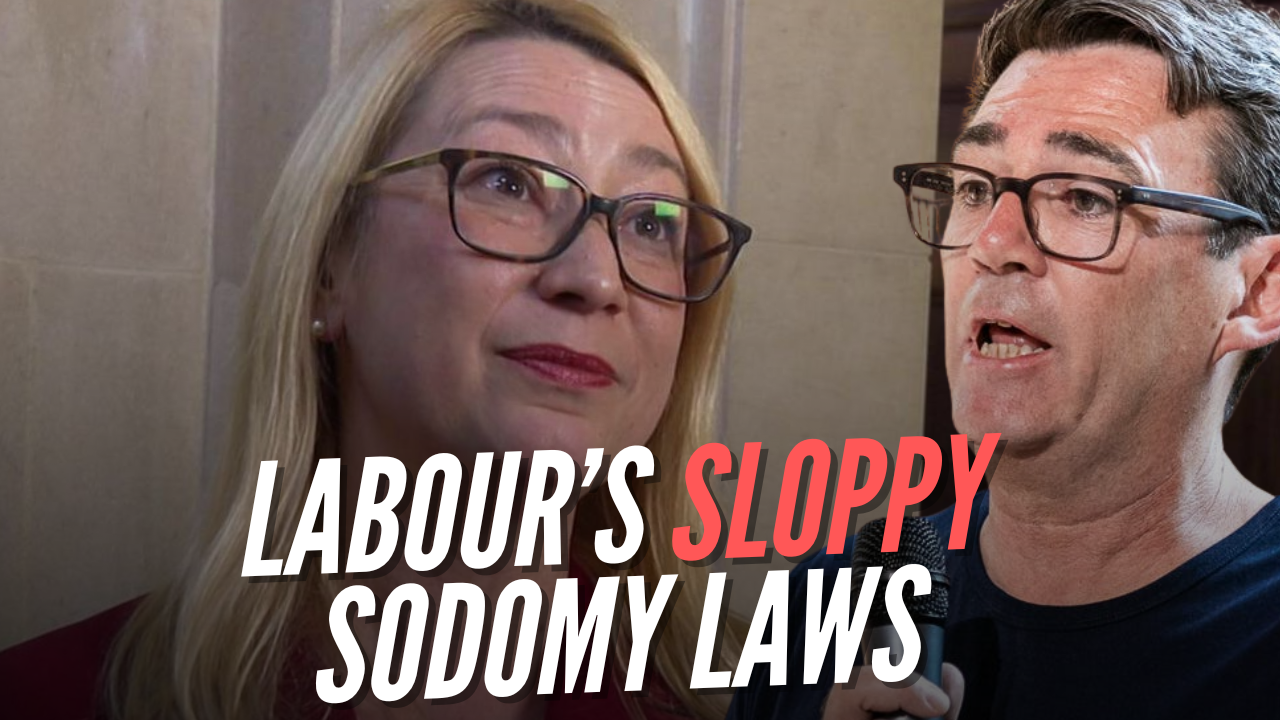
A Labour MP’s recent campaign to restrict explicit sexual content in pornography has sparked intense debate, with critics accusing her of misrepresenting facts and overreaching into private lives. The controversy centers on Jess Asato, who has championed a ban on strangulation porn, but her broader comments and actions have led to accusations of puritanism and hypocrisy.
Missteps in Public Discourse
Asato’s attempts to justify the ban have drawn scrutiny. When challenged on the lack of evidence linking oral sex to choking deaths, she cited a 2023 article on HPV and throat cancer, which critics noted was unrelated to the issue at hand. Asato also referenced a study on choking during sex, but failed to address its conclusion that education, not prohibition, is the solution. Her assertion that face-sitting without obstructing breathing would likely remain legal contradicts official guidance, which suggests suffocation could include covering someone’s mouth or nose.
The Law’s Reach and Consequences
The new legislation, which carries a two-year prison sentence for possession of banned material, has raised concerns about its scope. Asato claims the law aligns online and offline rules, but critics argue it goes further, criminalizing acts that were never illegal offline. The vague definitions of 'strangulation' and 'suffocation' leave interpretation to the courts, leading to uncertainty and potential overreach.
Public Reaction and Broader Implications
The campaign has faced ridicule and backlash, with some likening it to historical moral panics over media influence. Critics argue that banning consensual acts in pornography is an invasion of privacy and a slippery slope toward further restrictions. One commentator quipped, 'I didn’t think it was physically possible, but this both sucks and blows.' Others highlighted the law’s potential to disproportionately affect marginalized communities, including the LGBTQ+ population.
Safety vs. Freedom Debate
Supporters of the ban frame it as a safety measure, particularly for women, citing risks associated with strangulation during sex. However, opponents counter that the law’s vague wording could criminalize a wide range of consensual activities, from deep throating to face-sitting. 'Banning production is one thing,' one commenter noted, 'but imprisoning people just for watching two consenting adults act something out is insane.'
Political and Social Context
The controversy reflects broader tensions between personal freedom and state intervention. Critics accuse Labour of pandering to conservative moral sentiments, with one observer remarking, 'Much more of this and by the time of the next election it will be starfish missionary only.' The debate also touches on the role of pornography in shaping sexual norms, with Asato arguing it influences young people’s 'sexual script,' a claim that has sparked further contention.
As the law takes effect, its impact on both the pornography industry and individual freedoms remains to be seen. For now, the campaign has ignited a fiery debate over where the line should be drawn between public safety and private liberty.

