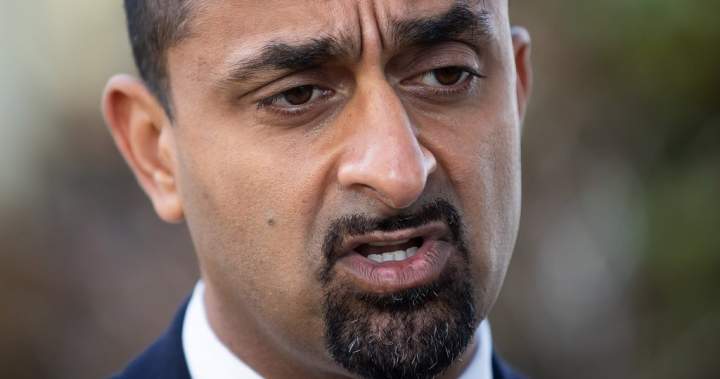
When British Columbia Health Minister Ravi Kahlon publicly announced he would not seek re-election in the province’s snap October campaign, the statement carried immediate political weight. Kahlon, a prominent voice within the governing party and a long-time representative for North Delta, framed his departure as an opportunity for new leadership to carry the torch. Yet coming on the heels of similar announcements from ministers Kelly Greene and Lana Popham, his decision underscored growing tension surrounding Premier David Eby’s decision to call an early election.
While Popham expressed sadness at stepping down from her role and Greene highlighted ongoing environmental concerns regarding industrial LNG infrastructure near her riding, Kahlon’s exit struck a particularly strategic chord. Widely regarded as a key policy driver and potential future party contender, his departure removed a vital pillar of the cabinet just as the campaign cycle officially opened.
A High-Stakes Snap Election
The provincial political arena was already charged following Eby's decision to dissolve the legislature halfway through its mandate. The move was designed to capitalize on fractured opposition dynamics on the right, but the rapid sequence of events sparked debate over political timing and strategic foresight. Rather than navigating a prolonged period of narrow legislative margins, the administration opted for a decisive mandate—a move that carries inherent tactical risks when high-profile incumbents choose not to run.
Critiques of the timing have emerged from both policy-focused observers and political strategists. Some point to the administration's aggressive housing and zoning reforms as significant achievements that nevertheless faced municipal pushback and execution hurdles. Others argue that calling an early vote provided the opposition with the precise catalyst needed to consolidate scattered factions into a unified front.
Observing the rapid shifts, one analyst noted, "Eby's not bad on policy or administration at all and he has the notable record of enacting some of the most comprehensive YIMBY reforms of any territorial government in North America, but the guy unfortunately has the political instincts of a turnip."
Unfolding Opposition Dynamics
Central to the governing party's calculation was the chaotic state of conservative political organizations in the province. With multiple right-of-center parties vying for influence and internal leadership changes unsettling the opposition, a quick election was intended to force a fragmented vote. However, party realignments began accelerating almost immediately following the election announcement, as former defectors and moderate factions moved to coalesce under a single umbrella.
This rapid consolidation on the right threatens to diminish the vote-splitting advantage the governing party relied upon, particularly in suburban and tight swing ridings. Observers watching the shifting landscape have expressed surprise at how quickly fragmented elements closed ranks, turning what was planned as a decisive mandate check into a highly competitive contest.
Highlighting the impact of Kahlon's departure against this volatile backdrop, another reaction noted: "I think it's important for those not in BC to know how big a deal Ravi Kahlon is in the BCNDP. If I'd had to put money on the next leader I'd've bet on him. I don't know if he was planning on leaving anyway, if he disagreed with the election call, or if he's just putting some political distance between himself and this nonsense to keep his powder dry. Any way you cut it it's a big loss."
The Path to the Polls
Beyond high-level strategy, the turnover in key ministries reflects the natural strain of governing through complex economic and social challenges. Deficits, health-care pressures, and cost-of-living concerns continue to dominate public debate across British Columbia. While cabinet turnover is a regular feature of political life, a cluster of exits during a surprise election cycle naturally amplifies questions about party unity and long-term momentum.
As the short campaign unfolds, voters across the province are left to evaluate whether the governing party's legislative record outweighs the turbulence of cabinet resignations and early election calls. Whether Eby's strategic gamble delivers a renewed mandate or opens the door for a reunited opposition, the outcome will reshape British Columbia's political landscape for years to come.

