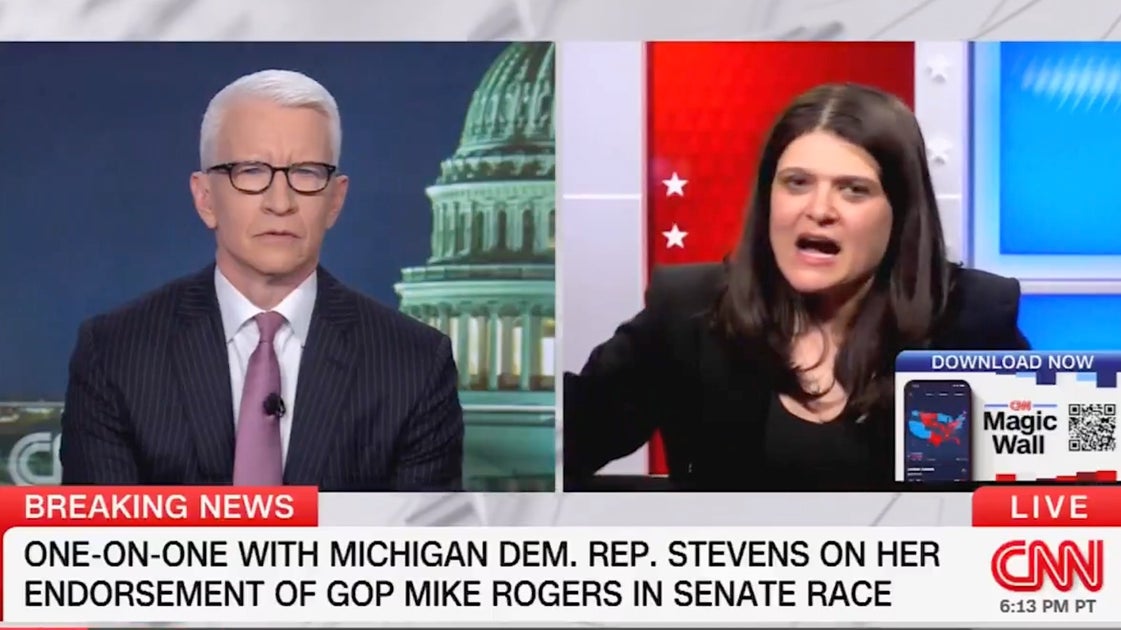
A high-profile political pivot turned into a public spectacle over the weekend as former Michigan congressional representative Haley Stevens struggled through a tense, nearly 15-minute television interview. The appearance followed a sudden and dramatic reversal that sent shockwaves through the state's political landscape, leading to immediate staff resignations and widespread disbelief.
The Unexpected Turn
Earlier this year, Stevens mounted a closely contested campaign for the Democratic nomination for the U.S. Senate, ultimately losing to Abdul El-Sayed. In the immediate wake of that primary defeat, she publicly endorsed El-Sayed and cautioned voters against the agenda of her former Republican opponents. However, in an abrupt reversal, Stevens announced her endorsement of the Republican candidate instead.
The about-face alienated her political allies and triggered an immediate crisis within her camp, with multiple top staffers tendering their resignations in protest. Seeking to explain her rationale, Stevens sat down for an extended interview that quickly derailed into an uncomfortable showcase of evasion and awkward silences.
A Difficult Exchange
Throughout the segment, the questioning focused squarely on the timing and motivation behind her abrupt change of allegiance. Rather than offering a direct explanation, responses frequently dissolved into non-answers and elongated tangents. Frustration mounted on both sides of the camera as repeated opportunities to clarify her stance were met with deflection.
Viewers tuned in to watch the unfolding train wreck, with many pointing out the sheer perplexity of voluntarily stepping into a hostile media environment without support. As one observer noted, "Does she like...realize she's not required to go on TV? She's not running for anything anymore! She could stay home and not have to embarrass herself on TV!"
Wider Fallout
The chaotic broadcast added fuel to broader conversations regarding the state of modern political discourse and the transparency of elected officials. Commentators and online audiences alike dissected the performance, questioning the pressures and underlying incentives driving such erratic public behavior. As the dust settles in Michigan, the incident stands as a stark reminder of how quickly political alliances can fracture under the weight of sudden, unexplained reversals.

